
Dairy for
Development
Africa is the second largest continent by land area, with a population of over 1.3 billion people, predicted to reach 2 billion in just 20 years’ time. As the continent’s population expands and urbanises, and incomes increase, the demand on livestock systems, and specifically dairy farmers, will also increase.
Dairy has the potential to be transformational in economies reliant on agriculture, however, it is vital that future investments in livestock systems are sustainable, based on rigorous science and taking into account the impact of climate change and carbon emissions.
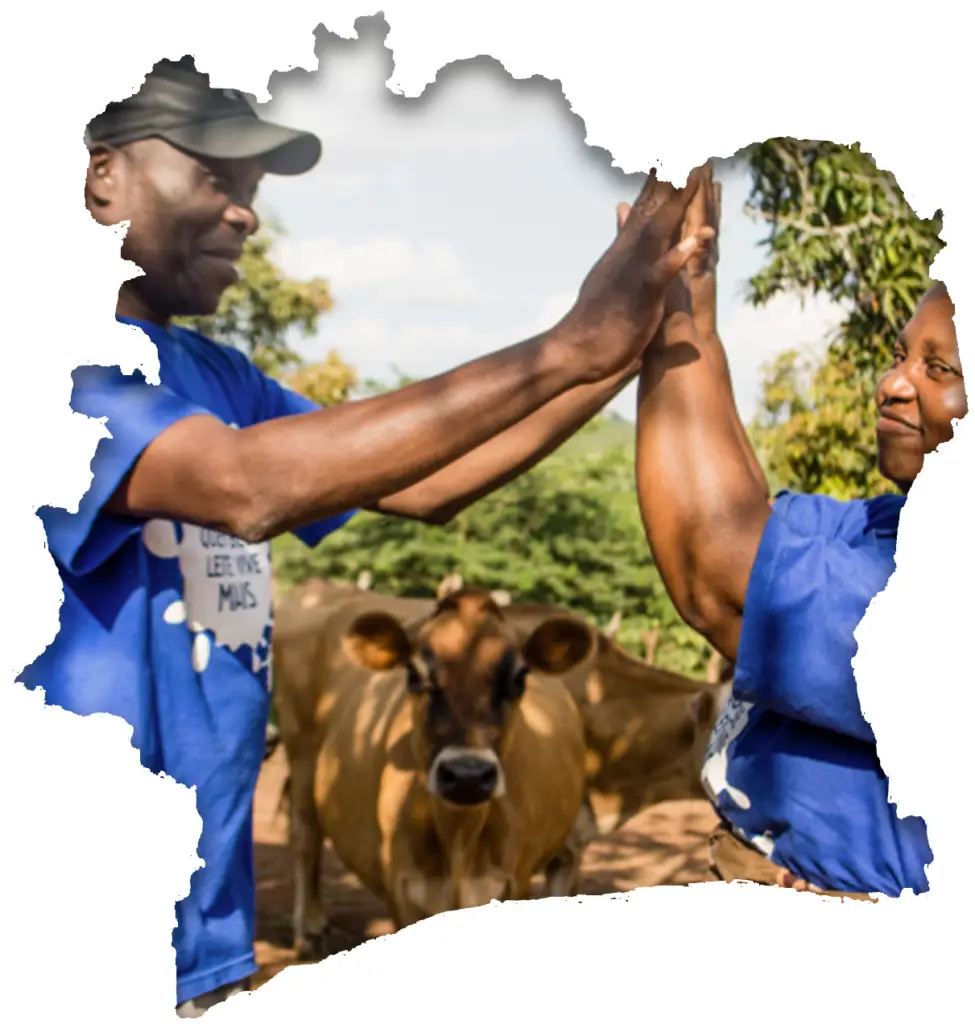
Why Jersey?
The smaller, more efficient Jersey Cow is the solution to the challenges of profitability and sustainability confronting smallholders, farmers, and dairy businesses worldwide. With the Jersey, we have an animal that is smaller, uses fewer natural resources, and produces a smaller carbon footprint. In this same animal, we have a dairy cow with a longer productive life that produces more nutrient-rich milk. In an African context, recent research by ILRI (International Livestock Research Institute) favours the red dairy breeds and in particular the Jersey. Click on the icons surrounding the graphic below to find out more…
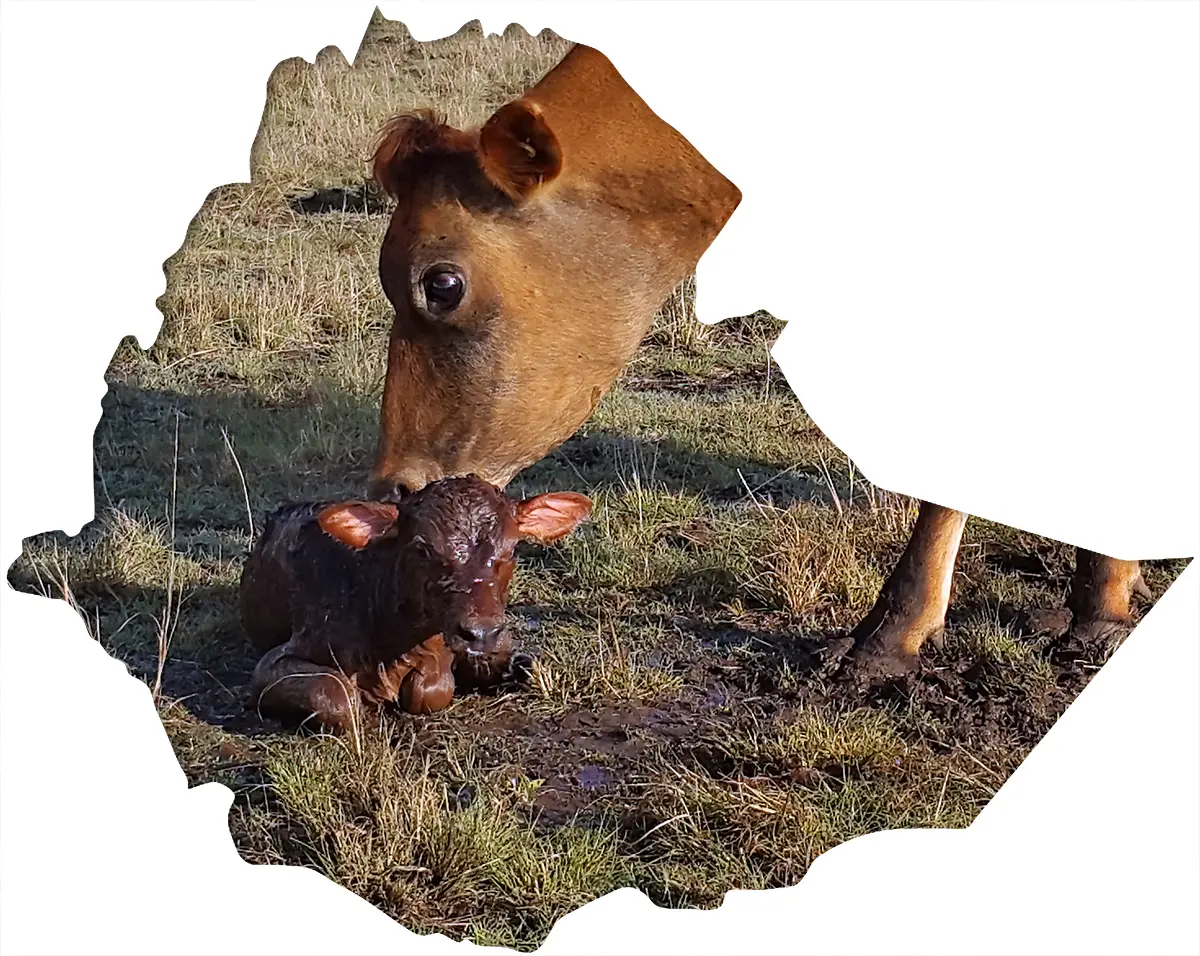
Opportunities for Smallholder Dairy
- Keeping dairy cows can generate high margins by area of land and provide a more stable cash flow in comparison with many crops, making dairy farming attractive for farmers vulnerable to external shocks and with limited access to land.
- Demand for milk and ‘value added’ products such as cheese also tends to grow in proportion to income as countries move from low to middle income status – as is occurring across much of Africa.
- Cattle can be fed on non-competitive (with humans) feed, and dairying is also labour intensive, not least in twice daily milking, so it suits densely populated areas where labour is relatively abundant compared to land.
- Increasing the need to transport and process milk can create additional jobs and market opportunities in the local economy.
- There are also health benefits as well as economic – increasing dairy consumption can improve diets for populations reliant on grain and tuber staples, providing essential nutrients including protein, fat and various micro-nutrients.