How can dairy farmers learn from one another across borders, and what can the Jersey breed offer farming communities working in very different conditions? These questions brought farmers, researchers, development partners and industry representatives together in Zambia for the fourth African Jersey Forum (AJF) conference, held from 14 to 16 September 2026.
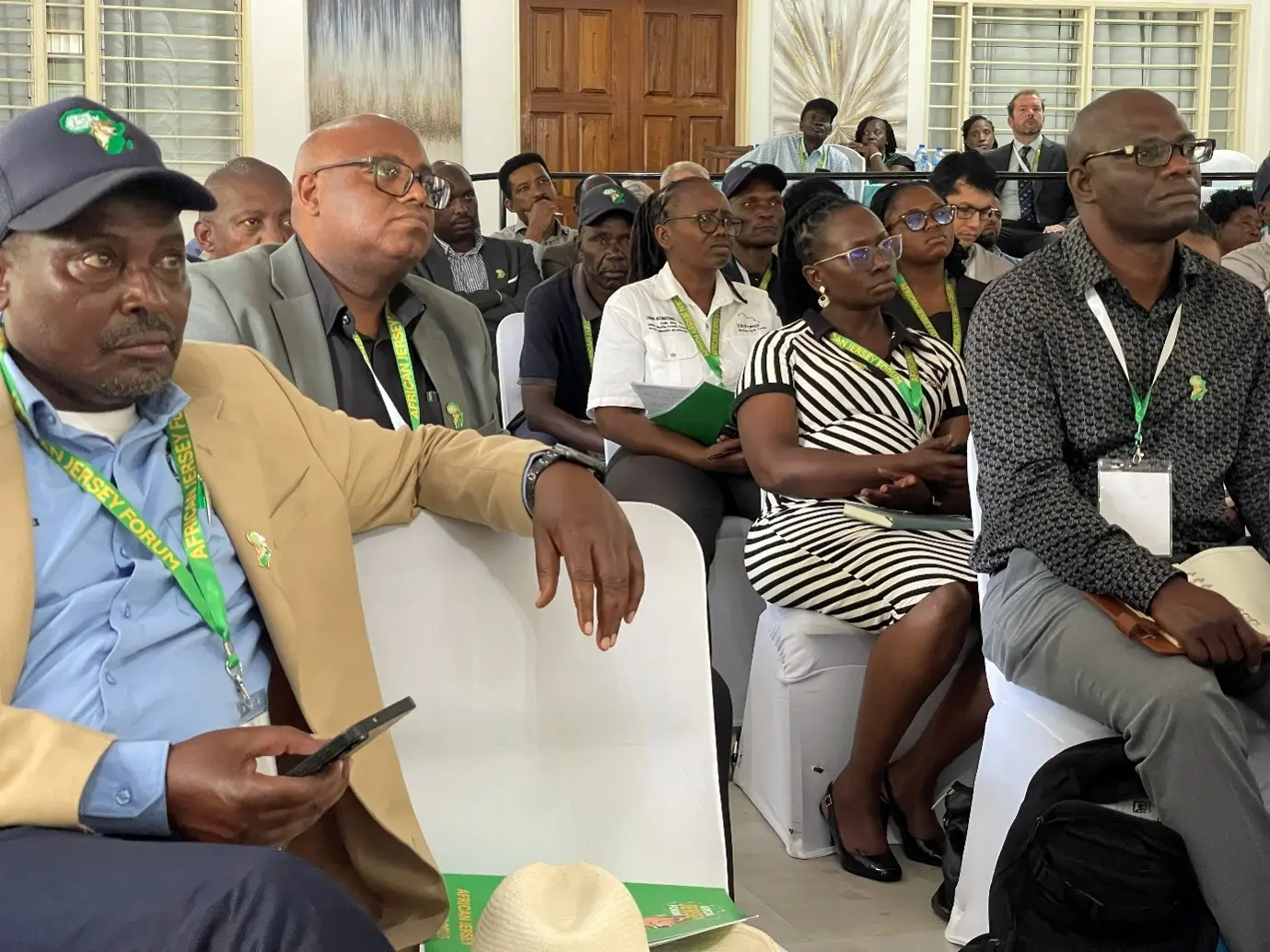
Bringing together almost 200 delegates from 14 countries, the three-day event combined presentations and discussions at Fringilla Lodge in Chisamba with visits to local farms, a milk collection centre and an agricultural research organisation.
Among those attending were 66 farmers from the Zambian Dairy for Development (D4D) projects, implemented by the Royal Jersey Agricultural & Horticultural Society (RJAHS) with funding from Jersey Overseas Aid (JOA). They were joined by veterinary professionals, artificial insemination (AI) technicians, extension staff, researchers, policymakers and industry representatives, bringing together a broad cross-section of expertise from across the African dairy sector and beyond.
Sharing experiences across countries
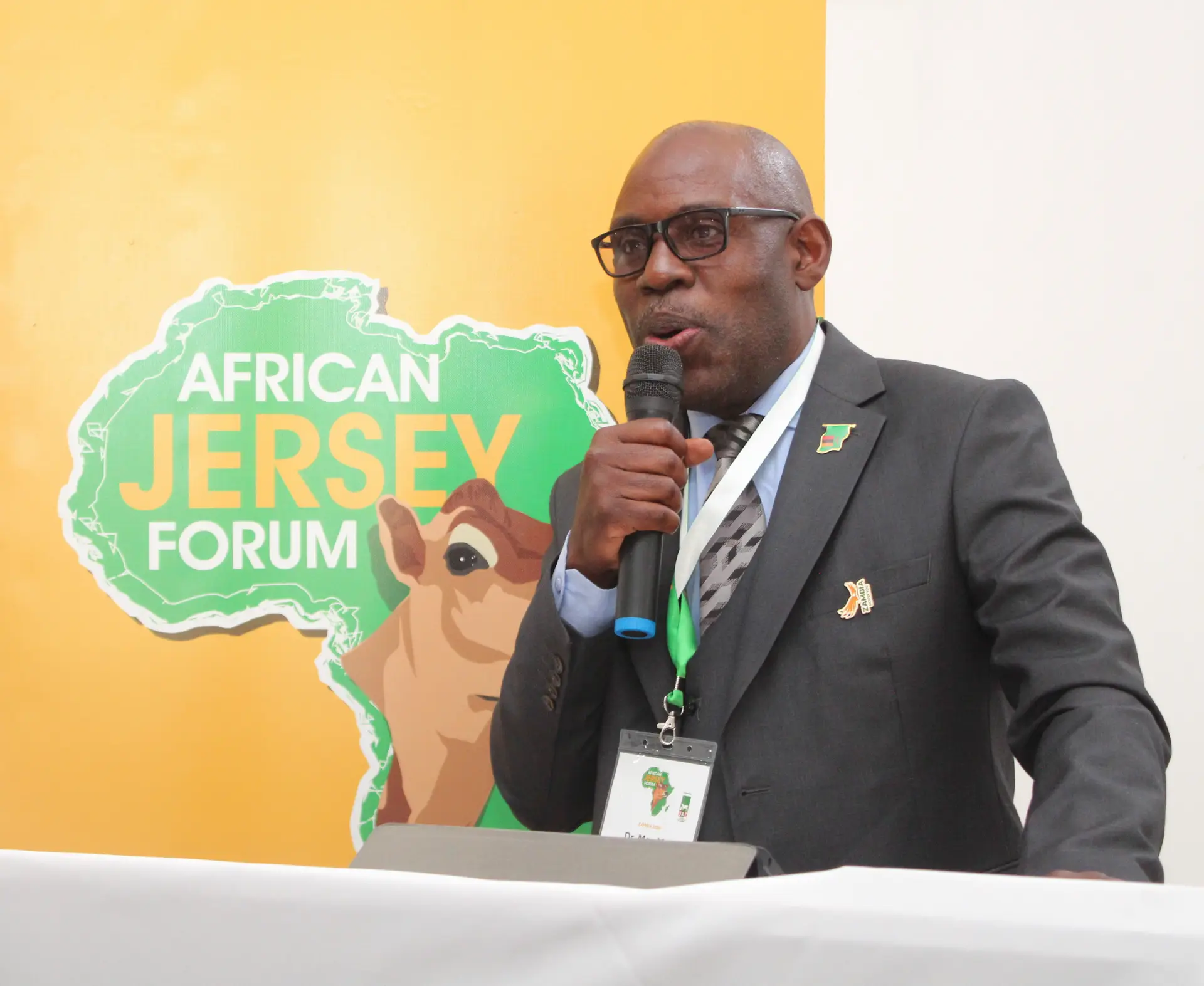
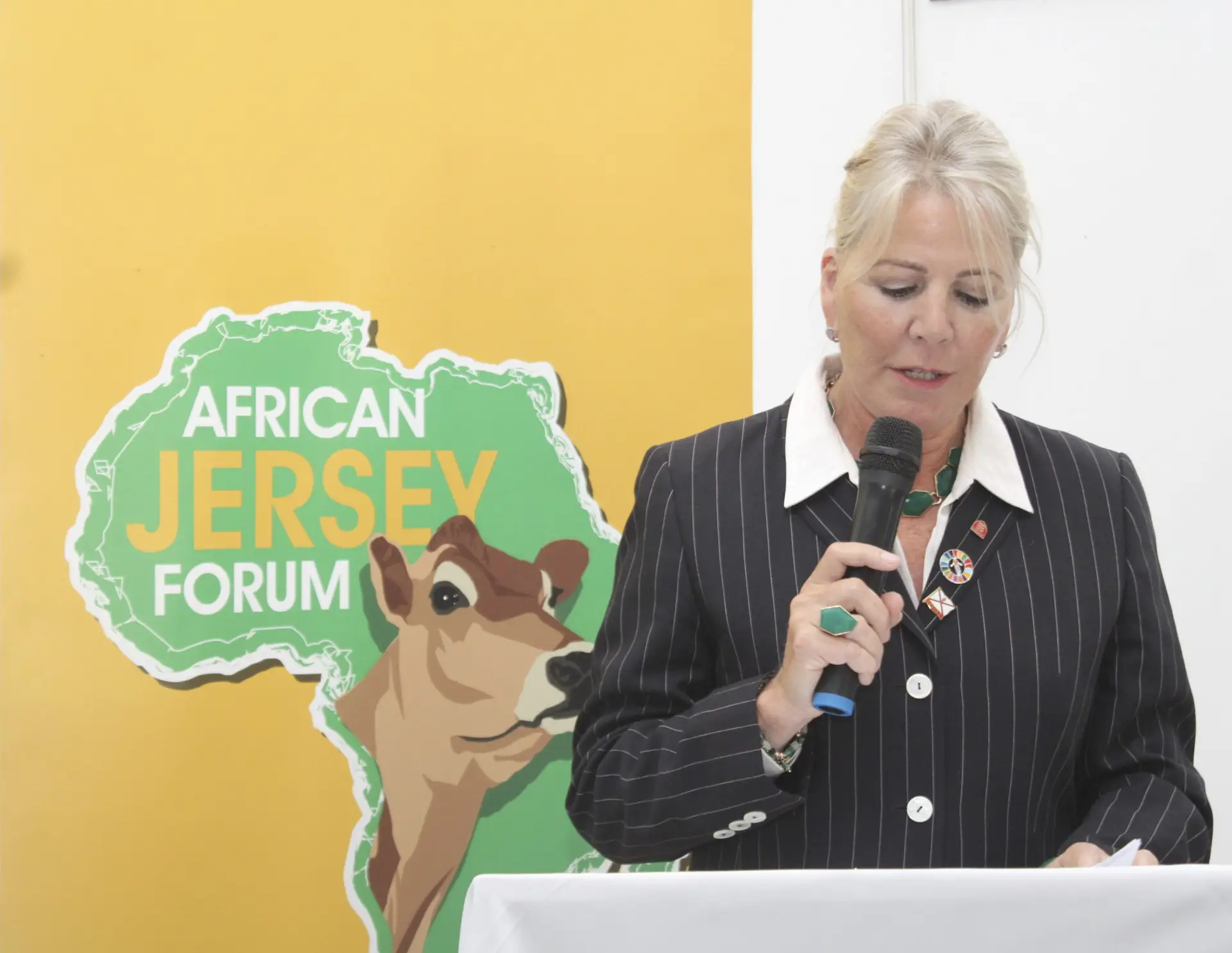
The opening of the African Jersey Forum 2026 brought together representatives of the Government of Zambia’s Ministry of Fisheries and Livestock, the Dairy Association of Zambia, the World Jersey Cattle Bureau, Jersey Overseas Aid, the Government of Jersey and the British High Commission in Lusaka. Their contributions set the scene for three days of discussion around dairy development, the Jersey breed and the value of collaboration across countries.
The first afternoon explored the theme of “Why Dairy, Why Jersey?”, beginning with experiences from D4D projects in Zambia, Rwanda and Malawi. Presentations from Lesotho, Zimbabwe, Kenya, Ethiopia, Tanzania and Nepal then broadened the discussion, bringing together perspectives from farmers, government livestock services, breed associations and development organisations.
These sessions encouraged delegates to look beyond their own projects and farming systems. How are cooperatives helping farmers access technical services? How do milk prices affect feeding decisions? What can one country’s experience offer another, and where might a different approach be needed?
One delegate captured the value of these exchanges in their feedback:
“The networking with people from other countries gave me a different perspective.”
The second day explored these themes in greater depth. A session focused on Zambia covered dairy cooperative development, the National Herd Competition and women’s savings groups. Contributions from Lesotho, Malawi and Zambia, alongside the Dairy Africa Alliance, examined how dairy sectors are organised and how farmers are represented and supported.
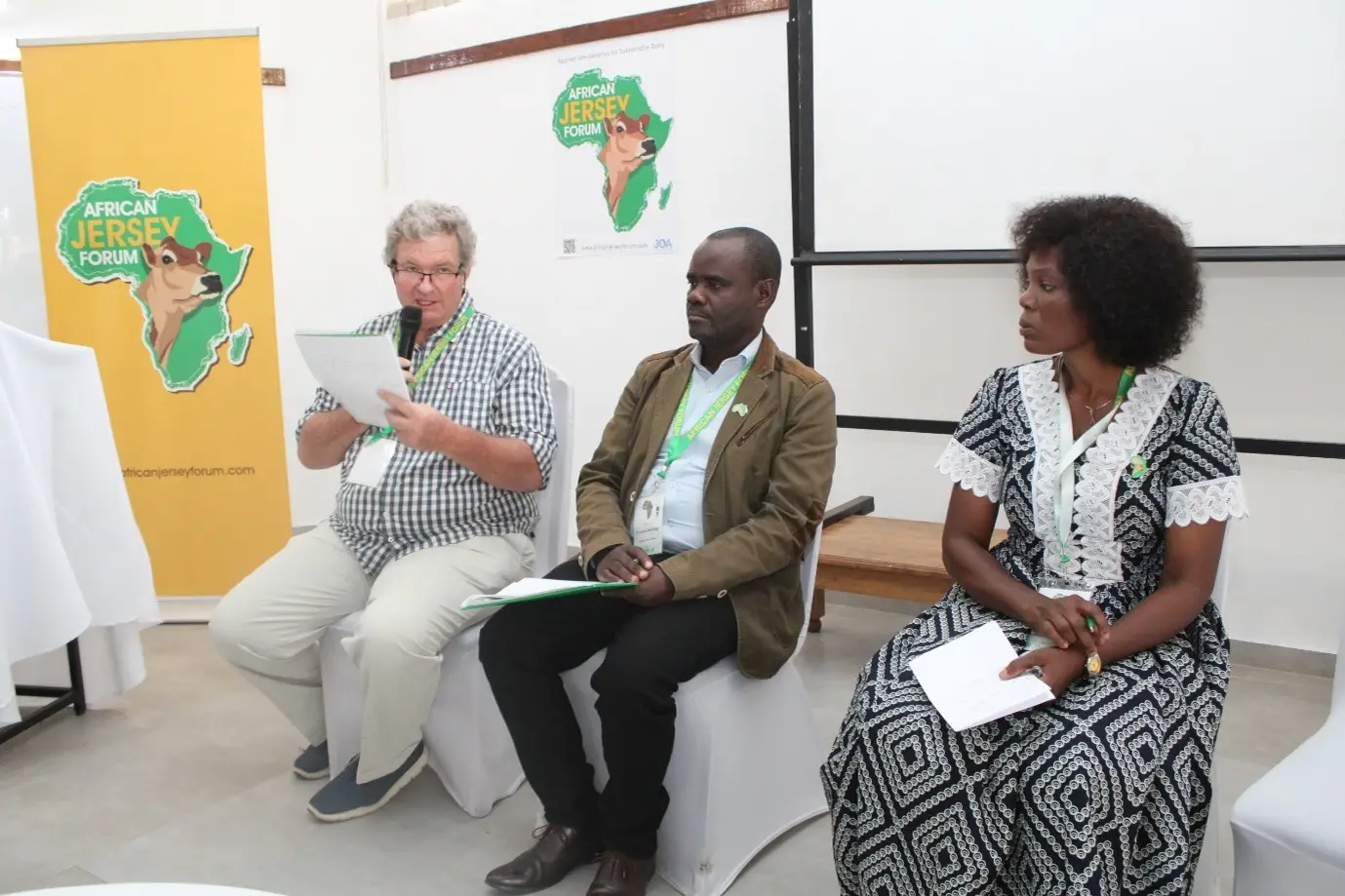
Practical knowledge was another strong theme throughout the programme. Leah Banda of WeForest Zambia discussed integrating trees into dairy farming through silvopasture, while Renny Chemtai from Kenya explored feed and forage planning in the face of climate pressures. Research and technical presentations examined the role of Jersey cattle in smallholder farming systems, milk production relative to body weight, and the delivery of artificial insemination services.
Together, these presentations highlighted the importance of looking beyond the characteristics of the Jersey breed itself to consider the wider conditions farmers need to make the most of their cattle, including suitable feed, reliable services and access to markets.
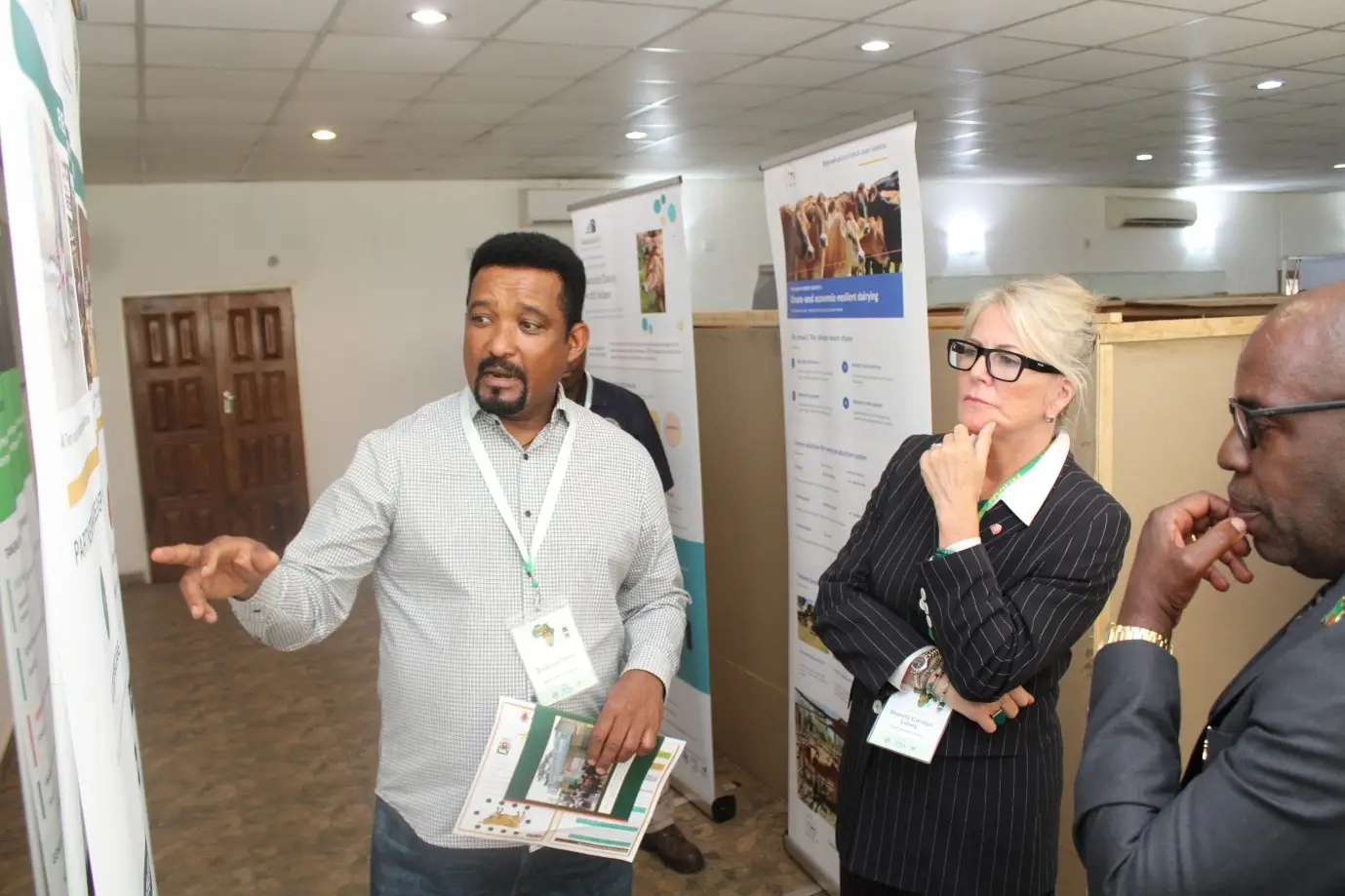
Delegates could ask questions and compare experiences during the sessions, with conversations continuing over refreshments and in the poster exhibition room. Posters showcasing delegates’ projects and activities provided further opportunities to explore different approaches and share ideas, alongside product displays from dairy processors. These informal exchanges gave participants time to connect with others working on similar challenges and learn more about initiatives taking place elsewhere.
Dairy School brings further learning within reach
Dr Peter Edmondson used the conference to formally launch Dairy School, a non-profit educational initiative providing free, practical films for small-scale dairy farmers, supported by Jersey Overseas Aid.
Drawing on more than 45 years of experience as a dairy vet, including working with farmers in Africa and Asia, Peter developed Dairy School to make practical knowledge about caring for dairy cattle more widely accessible. The films demonstrate essential skills and explain everyday aspects of dairy farming, with topics including milk production, udder health, fertility and cleaning milk equipment.
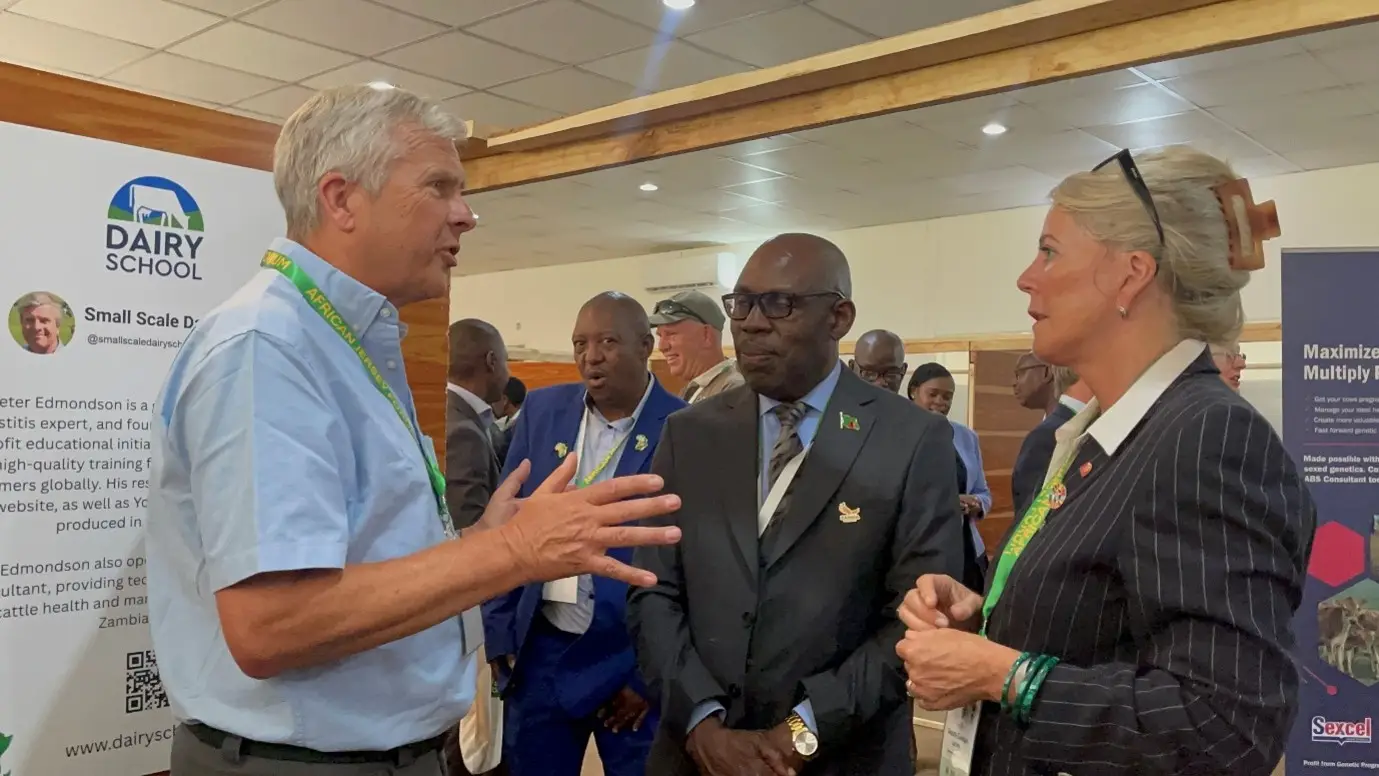
The films are free to watch on Dairy School’s YouTube channel and are already being shown at community level in Malawi and Zambia. Several have also been translated into Chichewa, Nyanja, Bemba and Tonga, helping farmers access information in familiar languages.
Peter’s presentation formed part of the conference session on extension services and knowledge transfer, introducing delegates to a resource they could continue to explore and share with farmers, colleagues and project teams after returning home.
To explore the films and learn more about the initiative, visit dairyschool.net.
Learning in the field
On the final day, delegates travelled in groups to four sites, taking the discussions beyond the conference room and into the day-to-day realities of dairy farming and farmer support.
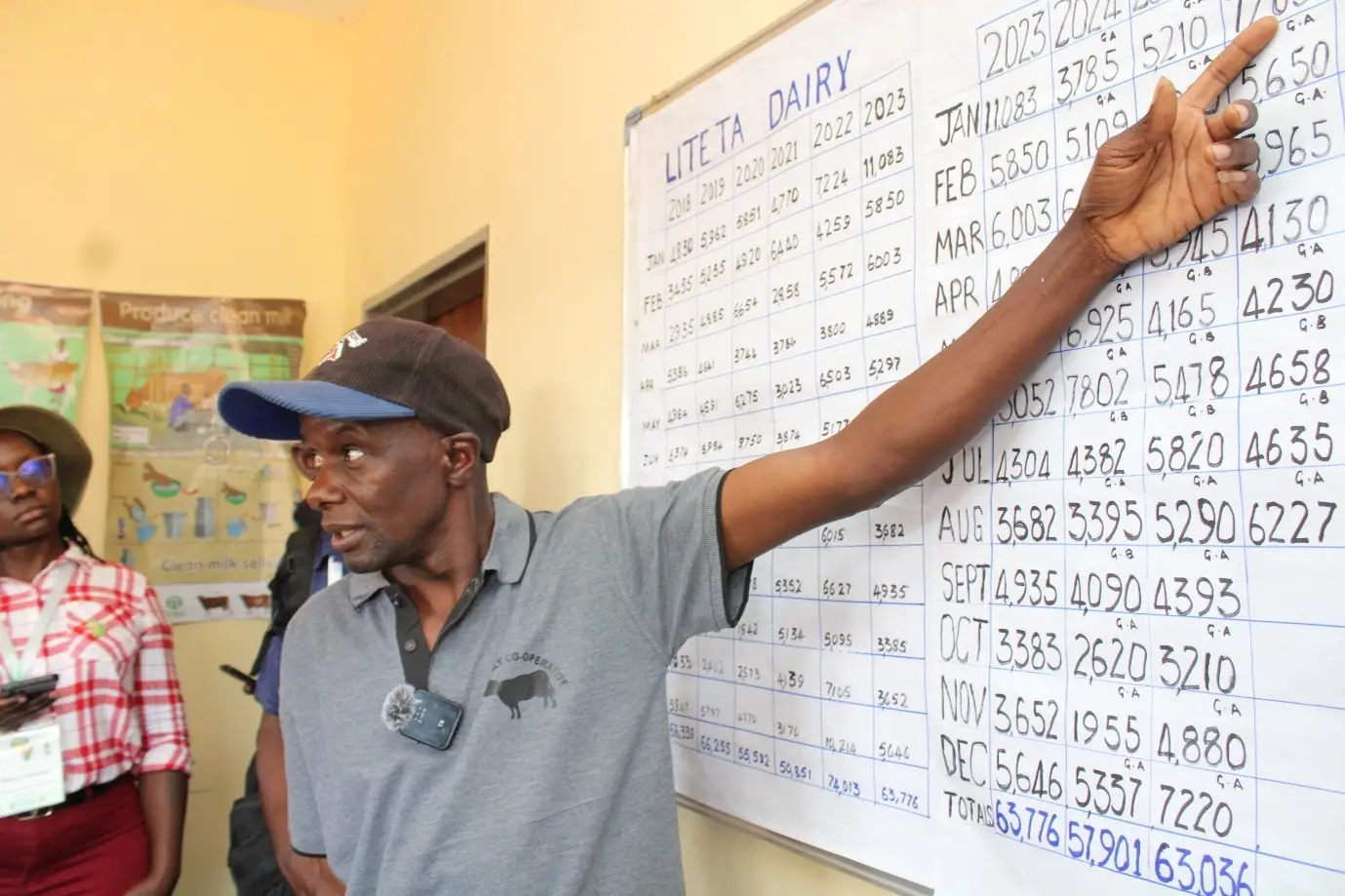
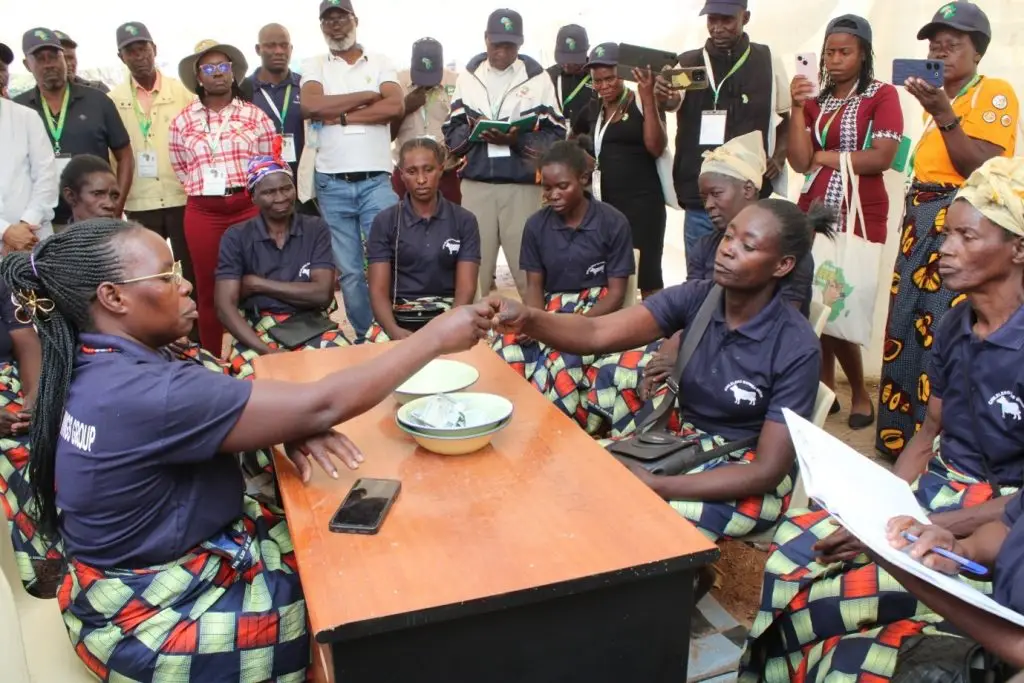
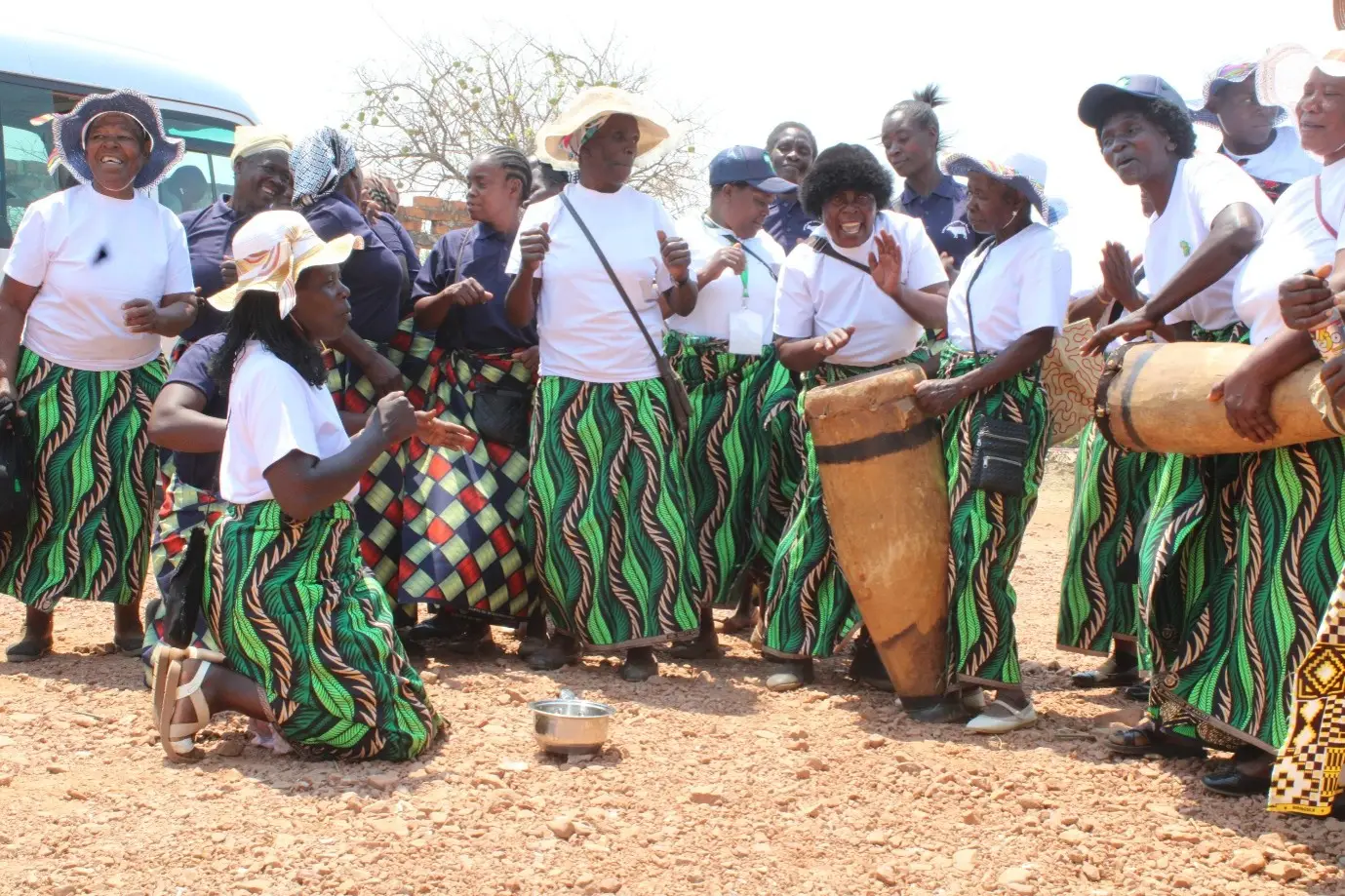
At Liteta Milk Collection Centre, the centre’s chair shared its history and development. Members of women’s savings groups involved in the D4D Zambia projects also spoke about the contribution their groups were making to their livelihoods.
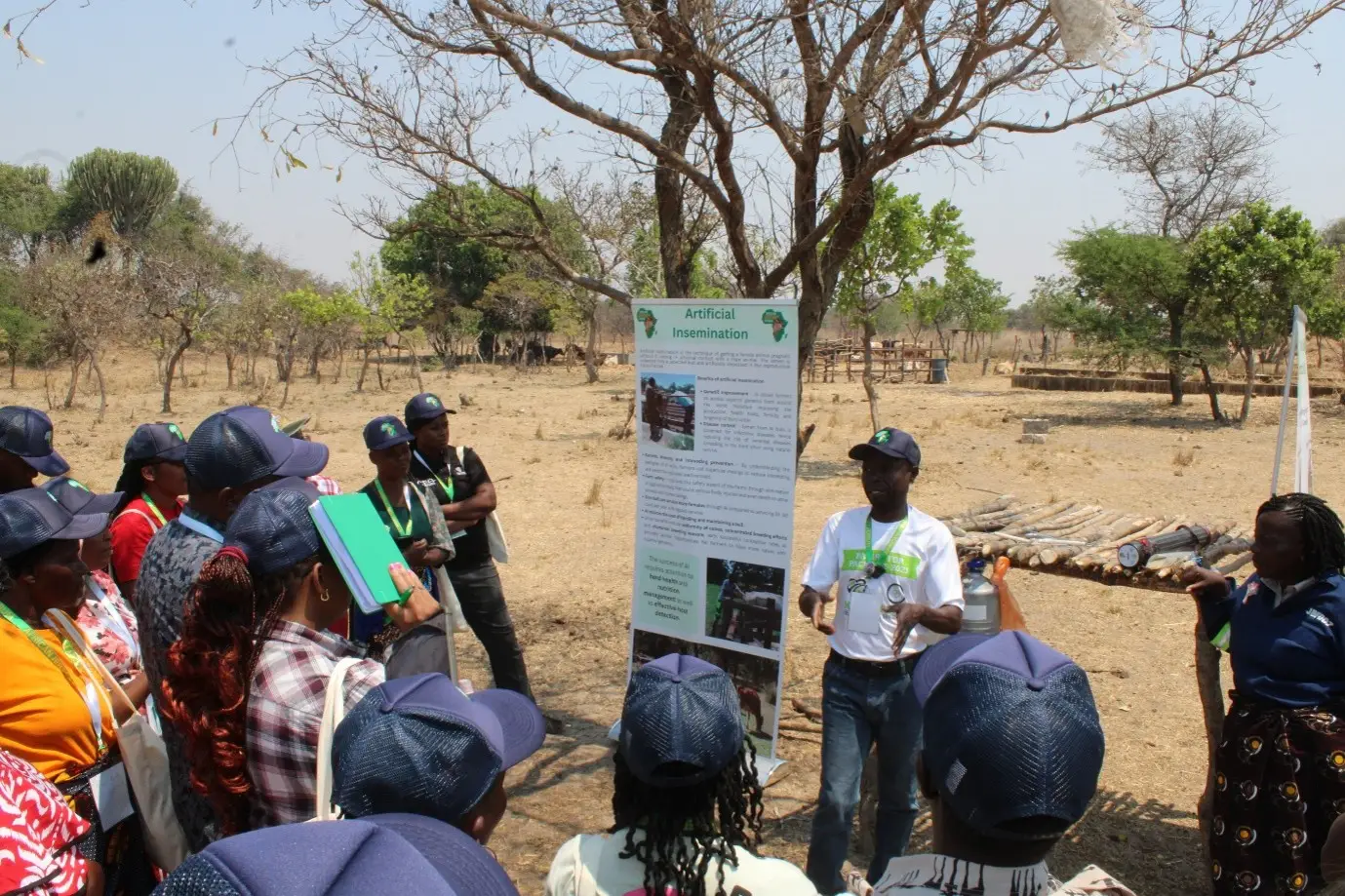
At Mudenda Emergent Dairy Farm, staff from D4D Zambia project partner the Adventist Development and Relief Agency (ADRA) led a series of knowledge stations covering feeding, calf management and rearing, dairy hygiene and artificial insemination. The small-scale farm setting gave delegates the opportunity to explore these topics in a practical context and exchange ideas with project staff.
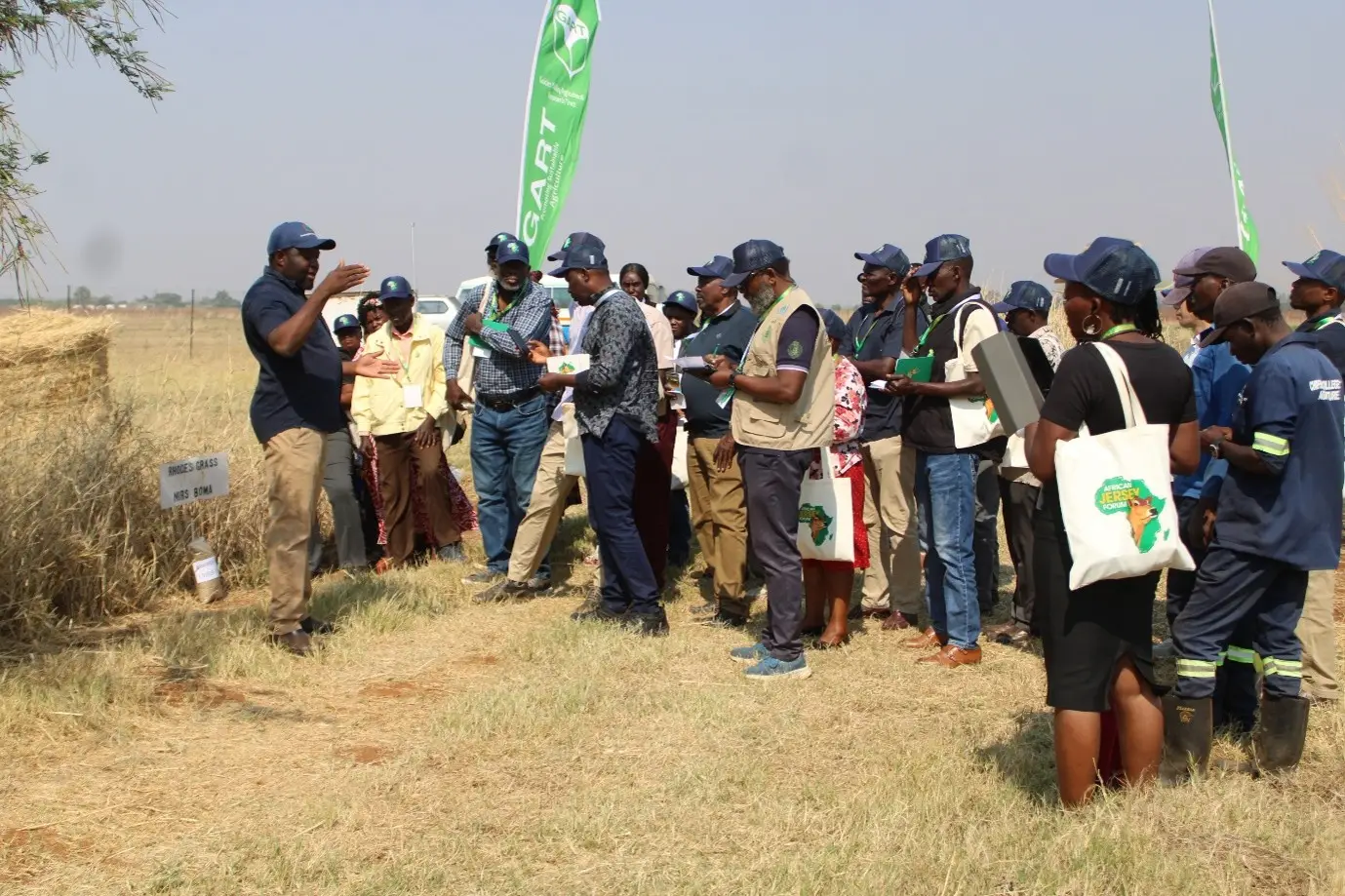
The Golden Valley Agricultural Research Trust (GART) introduced delegates to its work, providing technical information on forage and fodder production and management.
At Mukambo Commercial Dairy Farm, the farm manager and his wife welcomed the visiting groups to their larger-scale operation, sharing insights into its facilities, feeding practices and day-to-day management.
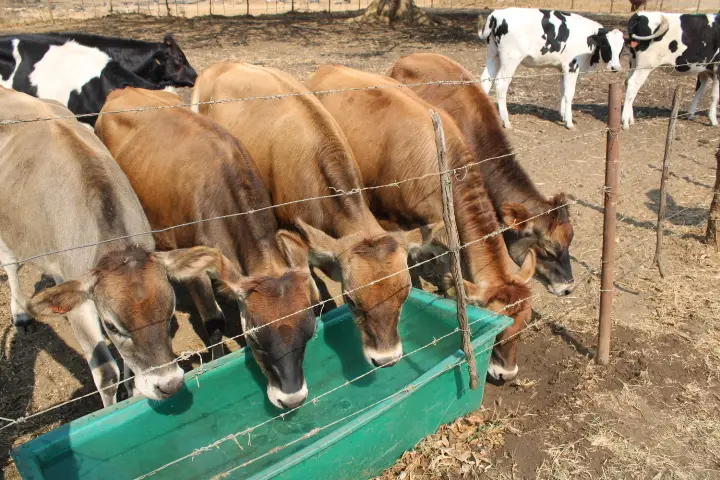
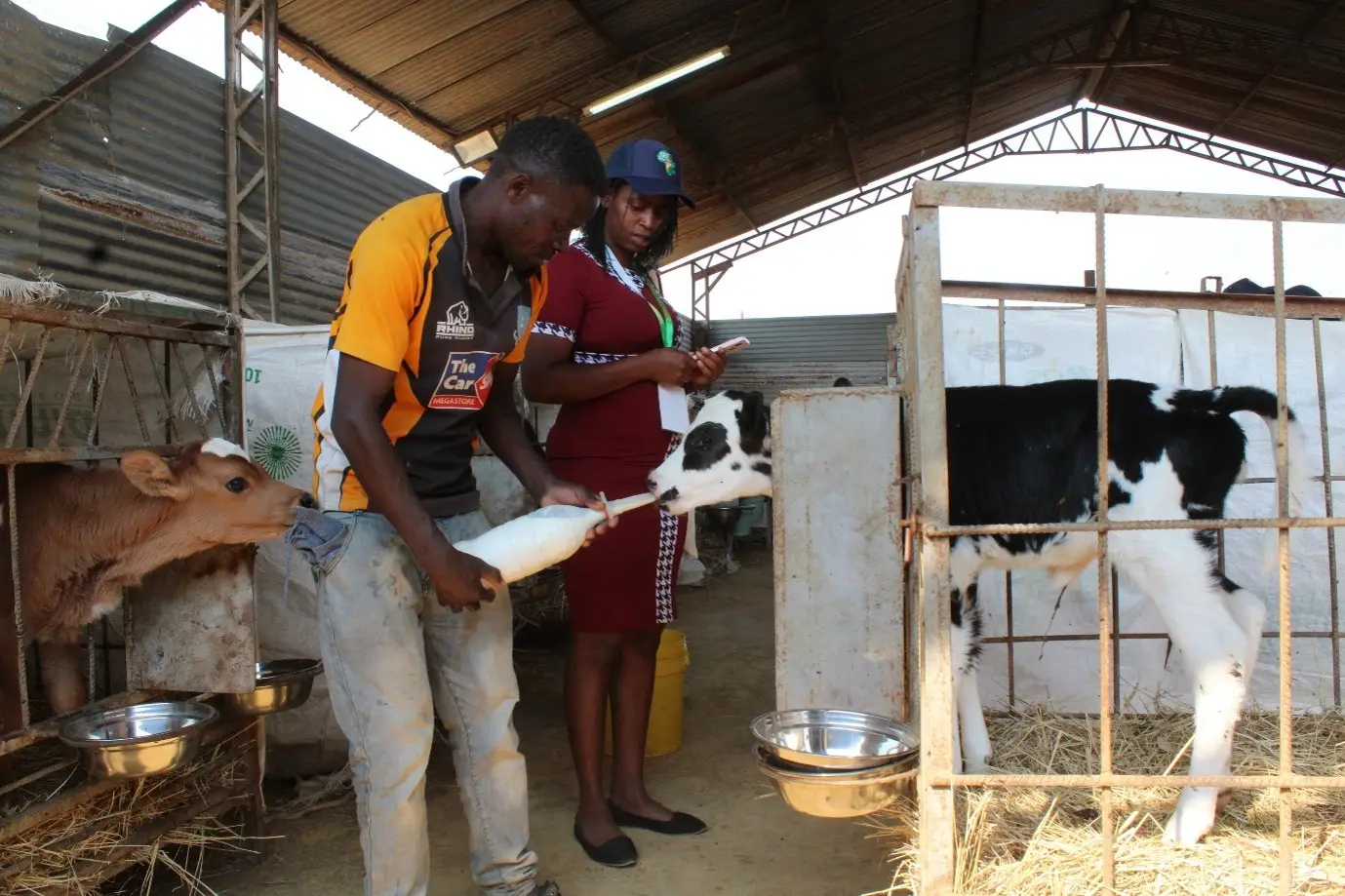
Together, the visits offered delegates an insight into different parts of the dairy sector, from milk collection and small-scale production to agricultural research and commercial farming. They also enabled 56 project farmers from Chibombo, Chongwe, Choma and the Copperbelt to take part in the programme.
Recognising experience and looking ahead
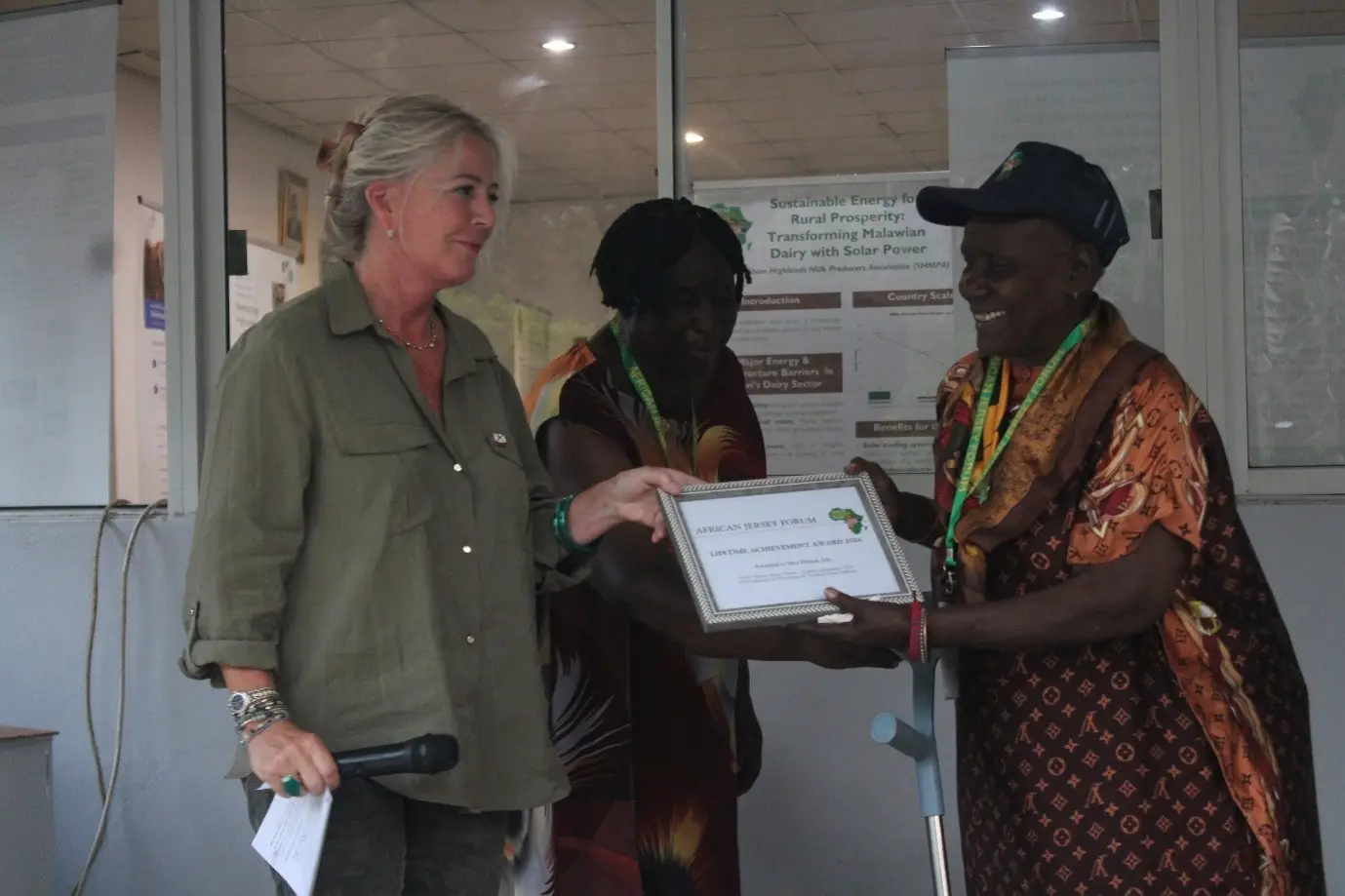
The conference concluded with a farewell dinner at Fringilla Lodge, where Deputy Carolyn Labey, Chair of the Jersey Overseas Aid Commission and Minister for International Development, presented the inaugural African Jersey Forum Lifetime Achievement Award to Zambian dairy farmer Effatah Jele. The award recognised more than five decades of contribution to Zambia’s dairy sector and her commitment to supporting women in agriculture.
Across the three days, the Forum provided a valuable opportunity for farmers and dairy professionals to learn from one another, share practical experience and build connections across countries. By bringing together different perspectives, from smallholder farmers and technical specialists to researchers and industry representatives, AJF 2026 reinforced the value of collaboration in supporting a stronger and more sustainable dairy sector.